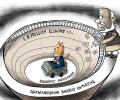
Mumbai traffic, mobile internet speeds, and grocery and pharmacy visits are all showing lower numbers for the latest week.
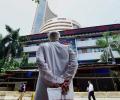
In three of the past four years, 10-year returns have been 10 per cent or lower, making equity unattractive, compared to other asset classes.

The combined weight of IT companies in the benchmark Nifty 50 index is now at a five-year high of 15 per cent as these companies continue to outperform the broader market.

Equity investors should thank cash-rich biggies such as TCS, ITC, HUL, Nestl, and Bajaj Auto for this.

Together, the top 10 business groups reported a pre-tax loss of Rs 19,342 crore during the January-March 2020 quarter, as against a profit before tax of around Rs 48,500 crore in the year-ago period and Rs 39,600 crore during the December quarter. While Vedanta was the worst hit. others included Aditya Birla, Bharti, Adani, Mahindra, and Tata.

Though India was under lockdown for only seven days of the quarter, global demand and commodity prices began falling from February as COVID-19 was spreading in other countries. 1,002 listed companies - excluding banks, non-bank lenders, insurers, brokerages, and IT firms - reported a combined pre-tax loss of around Rs 2,700 crore during Q4.

In the last five years, imports from HK have more than tripled -- from $5.6 billion in FY15 to $17.1 billion in FY20. In the same period, exports declined by 20 per cent -- from $13.6 billion in FY15 to $10.8 billion (annualised) in FY20.

Other measures being considered include relatively stringent KYC norms and a separate standard operating procedure for approval, renewal, and fresh investment from India's neighbouring countries.
The first spending item on the chopping block is capital expenditure, followed by operating costs and overheads, including sales and marketing expenses.
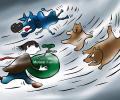
The mid-cap universe - comprising firms that rank 101-250 in terms of m-cap - could see as many as 17 new stocks move out. Similarly, over half a dozen stocks could exit the large-cap universe, which is defined as the top 100 entities in terms of m-cap.

Market experts said disruptions caused by the pandemic - to businesses as well as the filing process - and the sharp decline in valuations were the reasons behind fewer new companies wanting to tap the capital markets.

While freight traffic has gone up, the Google location data shows more people are stepping out of their homes.

Many believe that the surge in the markets defy economic reality and is being fuelled by aggressive monetary easing by central banks across the world.

This is the fastest the markets have taken to get out of bottom, compared to previous crises.

The trend in corporate earnings suggests that index earnings could fall to the levels last seen in early 2014.
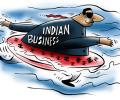
Combined profit before tax of 81 firms down 37.5% y-o-y, worst show in at least 3 years.

The rights issue price has been set at Rs 1,257 a share, a discount of nearly 14 per cent to the last closing price of Rs 1,459. The company had set May 14 as the record date for the rights issue, which meant shareholders as on that day would be eligible to apply. Shareholders will be able to apply for one share for every 15 shares held.

RIL, however, remains miles ahead of TCS in other financial parameters such as total revenue, operating profit, net worth, assets, and market capitalisation.

Corporate revenues will decline for a third consecutive quarter in March on a YoY basis - one of the worst shows by these companies in many years.

Indians face COVID-19 with record debt, stalled income.
